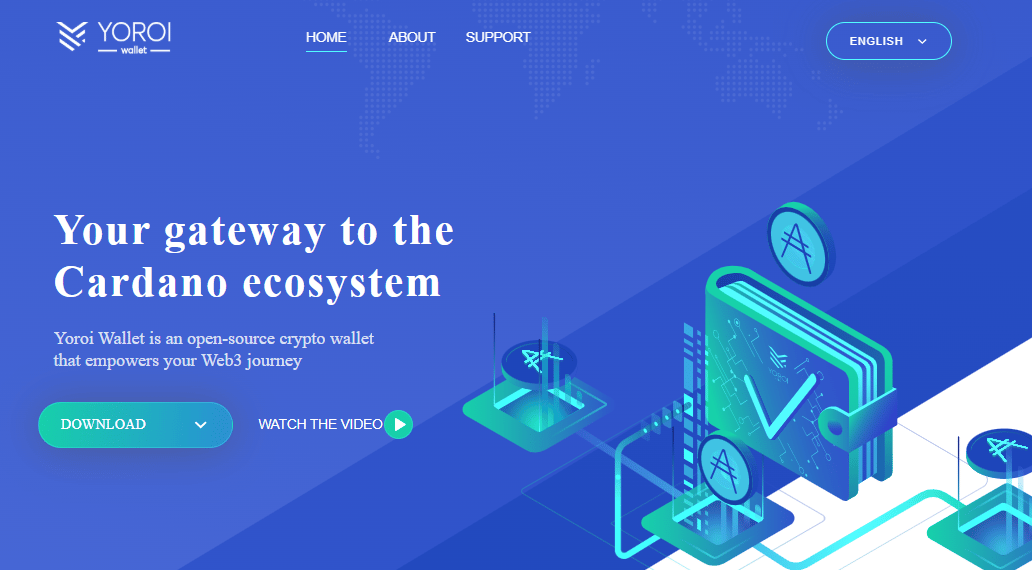
Yoroi Wallet is a cryptocurrency wallet originally developed by EMURGO to help users manage ADA and interact with the Cardano blockchain. Designed with simplicity and accessibility in mind, it became a popular option for individuals who wanted to explore digital assets without downloading the entire Cardano blockchain. Its lightweight architecture made everyday cryptocurrency management more convenient for both beginners and experienced blockchain enthusiasts.However, the wallet’s current status requires careful attention. Official announcements indicate that Yoroi and its successor platform, SecondFi, are being wound down following a security incident in June 2026. Users should review the official migration guidance before taking any action involving existing funds.
Yoroi was designed as a light cryptocurrency wallet. Unlike a full-node wallet, which downloads and maintains a complete blockchain copy, a light wallet retrieves the information it needs through supporting infrastructure. This approach reduces local storage requirements and can make routine wallet operations more accessible.The wallet historically enabled users to send and receive ADA, review transactions, manage supported Cardano native assets, and explore decentralized applications. It also provided functionality for staking and interacting with Cardano-based digital collectibles.These capabilities made Yoroi a recognizable part of the Cardano ecosystem. Nevertheless, its historical features should not be interpreted as a guarantee that every service remains available during the current wind-down process.
One of Yoroi’s principal advantages was its relatively small resource footprint. Users did not need to download the entire Cardano blockchain to begin managing their cryptocurrency. This design helped streamline routine wallet access and reduced the storage demands associated with full-node software.
Yoroi supported sending and receiving ADA through wallet addresses. Users could review transaction information and manage their balances through an interface designed to make blockchain interactions easier to understand.When conducting cryptocurrency transactions, users should always verify the recipient address, network compatibility, and transaction amount before confirming a transfer.
The wallet also supported features for viewing and managing compatible Cardano native assets and non-fungible tokens. These capabilities allowed users to explore digital collectibles and blockchain-based assets within the broader Cardano environment.Asset visibility and availability may depend on the wallet’s current operational status and the services that remain accessible.
Yoroi historically allowed ADA holders to delegate their stake to Cardano stake pools. Delegation enables participants to contribute to the network’s proof-of-stake mechanism without operating their own stake pool.Staking rewards are variable rather than guaranteed. Users should understand the applicable network rules, pool performance, and potential risks before making staking decisions.
Yoroi’s original appeal came from its combination of accessibility, lightweight performance, and Cardano-focused functionality. Its interface helped newcomers understand essential wallet activities, while its staking and asset-management features offered additional utility to established ADA holders.Another notable characteristic was its open-source development approach, which supported greater transparency by making source code available for inspection. Yoroi also historically offered browser-based and mobile access, giving users flexibility across supported devices.These benefits explain its historical relevance, but they do not eliminate the importance of evaluating a wallet’s present security, maintenance, and support status.
Cryptocurrency security depends on both software safeguards and responsible user behavior. A recovery phrase can provide access to wallet funds, so it should never be shared with strangers, posted online, or entered into an unverified website.Because of the announced wind-down, existing Yoroi users should consult verified official communications and follow the applicable migration instructions. Avoid unofficial recovery services, unsolicited support messages, and links promising immediate refunds. Never disclose a recovery phrase to someone claiming to provide customer support.Users who need to move their assets should independently verify the destination wallet, confirm that it supports the relevant Cardano assets, and carefully review every transaction before approving it. Where funds may have been affected by the reported incident, consult the official recovery process rather than relying on third-party promises.
Yoroi Wallet played a meaningful role in making Cardano cryptocurrency management more accessible through its lightweight design, ADA transaction tools, staking functionality, and support for native assets. Its history demonstrates how focused wallet software can simplify interactions with blockchain technology.Nevertheless, the current wind-down announcement is an essential consideration for anyone researching Yoroi Wallet today. Rather than treating it as an uncomplicated recommendation for new users, prioritize official migration guidance, verified security information, and a suitable alternative wallet that is actively maintained. In cryptocurrency management, informed decisions and careful protection of recovery credentials remain fundamental to safeguarding digital assets.
Assistant
Responses are generated using AI and may contain mistakes.